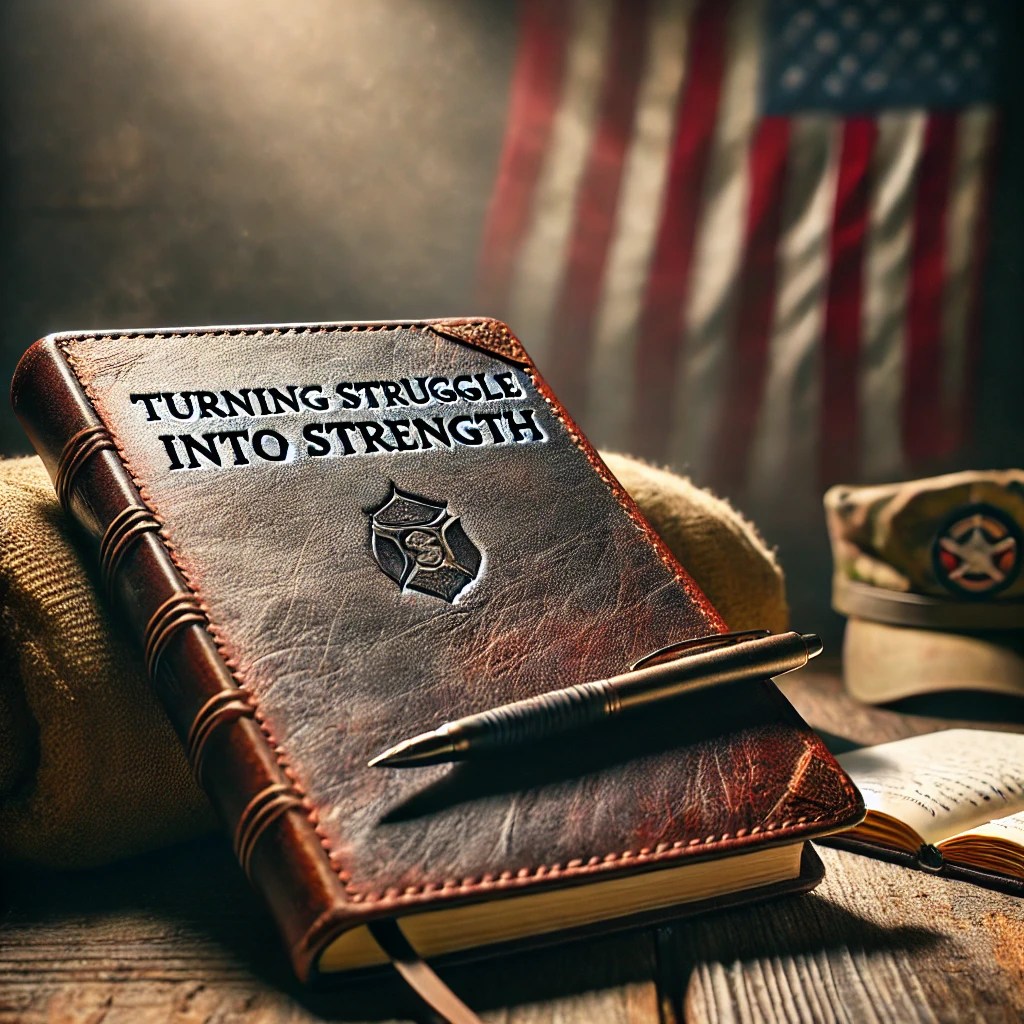
Service life is unique. Whether you’re an active-duty service member, a military veteran reflecting on years of sacrifice, or a first responder (past and present) navigating high-pressure situations daily, the experiences you carry can be profound. The problem is the more we have experienced, the more we carry around in our heads. This ‘mental garbage,’ whether negative thoughts, unresolved conflicts, or self-doubt, can feel like an invisible weight, dragging us down in life. It clouds our thinking, drains our energy, and makes it harder to focus on what truly matters. But there is a way to lighten this load and relieve the burden of carrying these experiences. So, how do we get rid of it?
Believe it or not, journaling is a simple yet powerful tool that can help you process those experiences, reduce stress, and foster personal growth. Now, I wouldn’t be surprised if many of you just read the word “journaling” and are seriously contemplating giving up on this post and going to do, well, just about anything else. Hell, I thought the same thing at one point in my life. My earliest memory of journaling was my mom and her little ‘pink’ diary that went everywhere she did. I remember once asking my dad about getting a journal, and he quickly informed me that journaling was for girls and ‘real’ men NEVER did anything with their emotions except bury them deep in their souls. But let me tell you, journaling is not just about ‘girly diaries ‘. It’s about personal growth, about becoming a stronger version of yourself.
But before you bail on this post, give me three minutes to explain why journaling isn’t as bad as you think it might be. First, let me be clear: Journaling isn’t just about putting pen to paper; it’s about creating a private space to reflect, process emotions, and find clarity. Here are just a few reasons why journaling can help empty the mental garbage:
- A Safe Outlet for Emotions: Staying composed is critical in high-stress professions, but this often means suppressing emotions. Journaling provides a safe and private way to release those feelings. It’s a place where you can be yourself and let out all those emotions you’ve been holding in. It’s a judgment-free zone, a space just for you.
- Processing Trauma and Stress: Writing about challenging experiences can help you make sense of them. Studies show that expressive writing can reduce symptoms of PTSD, anxiety, and depression. It provides structure to what might feel chaotic.
- Reconnecting with Purpose and Tracking Growth: Reflecting on your values and goals can help you stay connected to your ‘why’ and the reason you chose a life of service. Re-reading old entries can show how far you’ve come, reinforcing your strength and adaptability.
As for my journey of journaling, it started my first time in combat. My Commanding Officer, who we graciously referred to as Major Cipher (because he was unreadable, unknowable, and enigmatic), journaled almost every chance he had available. When I asked why he journaled, he stoically responded, “I am giving myself permission to let go of the war.” Believe it or not, everyone from basketball great LeBron James, artist Leonardo da Vinci, world leader Winston Churchill, and musician Lady Gaga have used journaling in one form or fashion.
Journaling is my way of making sense of the unspeakable things I’ve seen and done (both during and after my time in the military). Writing about my demons allows me to externalize the many thoughts and feelings I experience, putting them in a form I can confront and process. Combat often comes with chaos. Journaling creates a space where I can impose order on that chaos, even if it’s just through words on a page. In addition, journaling is a form of therapy, even if I don’t realize it. Writing down memories, fears, or even random thoughts can help me lighten the emotional burden. Lastly, journaling is a way of staying connected to myself, my values, and sometimes those I lost.
When you stop and think about it, journaling can be an act of survival. It’s a tool for navigating the aftermath of what we’ve endured and giving those experiences a place other than solely within us. It’s not about erasing the past but learning to live with it. If you are considering journaling, it’s worth asking yourself what you hope to gain. Journaling can be valuable for personal growth, reflection, and emotional release. However, whether it’s right for you, depends on your needs and preferences. Here are some thoughts to help you decide why you might want to journal:
- You Have a Lot on Your Mind: If your thoughts feel cluttered or overwhelming, journaling can help organize them. Writing things down often brings clarity and reduces mental noise.
- You Want a Private Space to Process Emotions: Journaling is a safe, judgment-free zone, where you can express emotions you might not feel comfortable sharing with others.
- You’re Seeking Insight: Writing regularly can help you notice patterns in your thoughts and behaviors. This self-awareness can lead to growth and better decision-making.
- You’re Curious About Yourself: If you’re reflecting on where you’ve been and where you’re going, journaling can help you explore your values, goals, and experiences more deeply.
Again, journaling can be a great way to process challenges and release tension. Unfortunately, there are some reasons why journaling might not be the best fit for you:
- You Feel Pressure to Do It ‘Right’: If journaling feels like a chore or something you ‘should’ do, it might not be helpful right now. Journaling works best when it feels natural and meaningful to you.
- You Struggle to Be Honest with Yourself: Journaling is most effective when you’re willing to be vulnerable and honest with yourself. If that’s hard for you, it might take some practice, or a different outlet might suit you better.
- You’re Already Finding Peace in Other Ways: If you have other habits, like exercise, talking with friends, or meditation, that already help you process your thoughts and feelings, you may not need journaling as much.
So, where to begin? Depending on your style, goals, and preferences, a wide range of platforms are available for journaling. Traditional journaling is good old-fashioned pen and paper; digital Apps such as Day One, Evernote, or Notion are ideal for those who want to journal on the go. You even have voice or video journaling, excellent for capturing emotions and reflections visually and audibly. My preference is the Day One App. While I like that I can journal anywhere on my phone, iPad, or computer, I also love that it comes with excellent encryption software to prevent anyone from reading my private thoughts and emotions. There’s no one-size-fits-all answer. You might even combine platforms, keeping a handwritten journal for deep reflections and using an app for quick, on-the-go entries. The best platform is the one that fits seamlessly into your life and helps you journal consistently.
If, at this point, you are still here reading this post and you are still trying to decide if journaling is for you, give it a try (what do you have to lose). Start small and experiment with just one idea; write for 5-10 minutes on something simple, like What’s been on my mind today? or What’s one thing I’m grateful for? Keep it casual. There’s no need for perfect grammar, extended entries, or daily writing. Just jot down thoughts when you feel like it. If you choose to address trauma, do it at your own pace. Write about difficult memories only when you’re ready. There’s no need to relive everything all at once. If memories are too complex, focus on your strengths. Balance challenging reflections with positive ones and highlight your courage, skills, and the good you’ve done. Lastly, reflect on how it feels. After a week or two, ask yourself if journaling has helped you feel calmer, more transparent, or more connected to yourself. If journaling feels right for you, it can be a powerful way to connect with your thoughts and experiences. If it doesn’t resonate, that’s okay; many other ways exist to explore and grow.
So why does journaling matter to me? Journaling is more than just a practice for reflection; it’s a path for me to grow and heal and a form of self-empowerment. For military members and first responders, journaling can be a way to honor the complexities of our experiences, both the challenges and the triumphs. Whether you write about the past, the present, or your hopes for the future, journaling gives you a voice, even if it’s just for yourself. Over time, it can help you understand your story more deeply and remind you of the strength and resilience you carry. Your story matters. Honor it, one page at a time.
Until next time, struggle well my friends.
~Grim



Leave a reply to Grim Cancel reply